
The evolution of casinos tracing the roots of luck and entertainment
The Origins of Gambling
The practice of gambling can be traced back to ancient civilizations, where people engaged in games of chance as a means of entertainment and a way to test their luck. The earliest evidence of gambling is found in ancient China, where rudimentary games using tiles date back to around 2300 BC. This fascination with chance spread to various cultures, including the Greeks and Romans, who incorporated gambling into their social activities and public gatherings. Today, you can also enjoy a modern version of gaming with online pokies australia payid that offers new thrills and excitement.

As societies evolved, so did the complexity of gambling activities. The introduction of dice, cards, and various betting systems marked significant milestones in the history of gambling, transforming it from simple pastimes into organized events that attracted larger audiences and substantial stakes. This evolution laid the groundwork for what would eventually become modern casinos.
The Birth of Casinos
The term «casino» derives from the Italian word for «little house,» reflecting its original purpose as a small venue for social gatherings. The first official casino, the Ridotto, opened in Venice in 1638, providing a controlled environment for gambling, complete with rules and regulations. This concept quickly gained popularity across Europe, with establishments like the Monte Carlo Casino opening in the 19th century, establishing the casino as a staple of entertainment and luxury.
As casinos flourished, they became synonymous with glamour and social status. Rich patrons flocked to these venues, seeking both the thrill of chance and the allure of lavish surroundings. The ambiance of these early casinos, filled with opulence, fine dining, and entertainment, set the stage for the modern casino experience we recognize today.
Advancements in Casino Technology
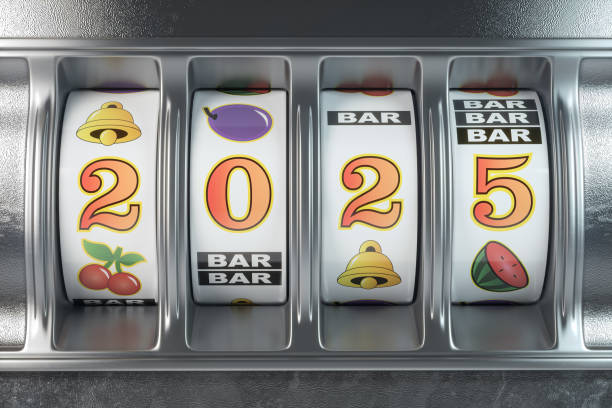
The late 20th century marked a significant turning point in casino evolution with the advent of technology. Slot machines, once purely mechanical, transformed into sophisticated electronic devices offering enhanced features and experiences. The introduction of video poker and progressive jackpots created new excitement and opportunities for players, further entrenching casinos in popular culture.
Moreover, online casinos emerged at the turn of the 21st century, revolutionizing how people engage with gambling. Virtual platforms enabled players to access a wide array of games from the comfort of their homes, offering a new level of convenience and accessibility. This digital shift has not only expanded the audience for casino gaming but also provided operators with innovative ways to engage players through bonuses, promotions, and gamification elements.
The Role of Luck and Psychology in Gambling
The allure of luck plays a central role in the casino experience. Gamblers are often drawn to the unpredictability and excitement that games of chance provide. Understanding the psychology behind gambling can illuminate why individuals take risks and seek entertainment through these games. Casinos leverage this knowledge, designing environments that encourage play through strategic layout, lighting, and sound.
Moreover, the concept of luck is deeply embedded in cultural narratives surrounding gambling. From lucky charms to rituals, players often engage in behaviors that they believe will enhance their chances of winning. Casinos capitalize on this phenomenon, creating an atmosphere that perpetuates the myth of luck, thus driving customer engagement and repeat visits.
Online Gaming and the Future of Casinos
In today’s digital age, online gaming platforms have transformed the gambling landscape. Websites dedicated to gaming, such as PayID Pokies, offer players the ability to enjoy a vast selection of games, including pokies and traditional casino favorites. These platforms prioritize user experience, security, and instant transactions, reflecting the evolution of consumer expectations in the gambling industry.
The future of casinos appears to be leaning towards further integration of technology and personalized experiences. As virtual reality and artificial intelligence continue to develop, the potential for immersive gaming experiences is limitless. The evolution of casinos is ongoing, promising to blend tradition with innovation, catering to a diverse audience while preserving the thrill of chance and entertainment.
