
The psychology behind the thrill of gambling Understanding its effects on the mind
The Allure of Risk
The thrill of gambling is deeply rooted in the human psyche, often stemming from our innate attraction to risk. Engaging in activities where there is a chance of loss or gain creates a unique adrenaline rush. This excitement can be traced back to our evolutionary history, where taking risks could lead to greater rewards in terms of survival and resources. For instance, many people enjoy exploring usa online casinos, where the unpredictability of outcomes taps into this ancient instinct, making it inherently appealing.
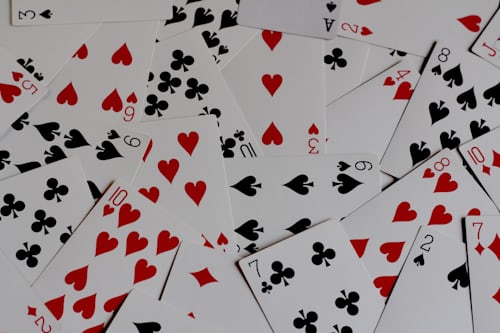
Moreover, the concept of risk is intertwined with the psychology of reward. When individuals gamble, their brains release dopamine, a neurotransmitter associated with pleasure and reward. This biochemical reaction reinforces the behavior, making the act of gambling not just about the potential financial gain but also about the enjoyable sensations that accompany the experience.
The Role of Cognitive Biases
Cognitive biases play a significant role in how individuals perceive and engage with gambling. One prominent example is the «gambler’s fallacy,» where individuals believe that past outcomes influence future events, leading them to make irrational betting decisions. For instance, a person might think that after a series of losses, a win is «due,» which can encourage continued play and ultimately lead to greater losses.
These biases shape our decision-making processes, often in misleading ways. Additionally, the illusion of control allows players to feel that their decisions can influence outcomes, despite the inherent randomness of games. This belief can fuel the desire to keep gambling, as individuals feel empowered even in the face of unfavorable odds.
The Social Aspects of Gambling
Gambling is not just a solitary activity; it is often a social experience that enhances its appeal. Engaging in games with friends or in lively environments like casinos can amplify the excitement and enjoyment. The communal aspect of gambling fosters a sense of belonging and can create lasting social bonds.
Furthermore, the competitive nature of gambling can evoke strong emotions and a sense of camaraderie among participants. Celebrating wins together or supporting each other during losses adds layers of connection that enhance the overall experience. This social dynamic can also contribute to the normalization of gambling behaviors, making it seem more acceptable within certain groups.
The Consequences of Gambling Addiction
While gambling can provide entertainment and excitement, it can also lead to serious psychological consequences. Gambling addiction affects millions of individuals worldwide, often resulting in financial ruin, strained relationships, and severe mental health issues such as anxiety and depression. The same dopamine release that makes gambling thrilling can create a cycle of dependency, where individuals chase losses in an attempt to regain that initial high.
Recognizing the signs of gambling addiction is crucial for prevention and treatment. Support systems, counseling, and education about the risks of gambling are essential in combating the darker side of this otherwise entertaining activity. Addressing these issues ensures that the thrill of gambling remains a fun pursuit rather than a destructive compulsion.
Conclusion and Website Insights
Understanding the psychology behind gambling is essential for both players and industry stakeholders. By recognizing the factors that make gambling thrilling, we can foster healthier engagement with these activities. Awareness of cognitive biases, social dynamics, and the risks of addiction can help mitigate negative outcomes while still enjoying the recreational aspects of gambling.
This website serves as a platform for exploring such themes, offering valuable insights into the world of gambling. By promoting responsible gaming practices and providing information on the psychological effects, it aims to empower users to make informed choices while engaging in gambling activities.


Leave A Comment